From Stigma to Strength: How One Girl’s Knowledge Transformed Her Community
-
by
cnepal
- No Comments on From Stigma to Strength: How One Girl’s Knowledge Transformed Her Community
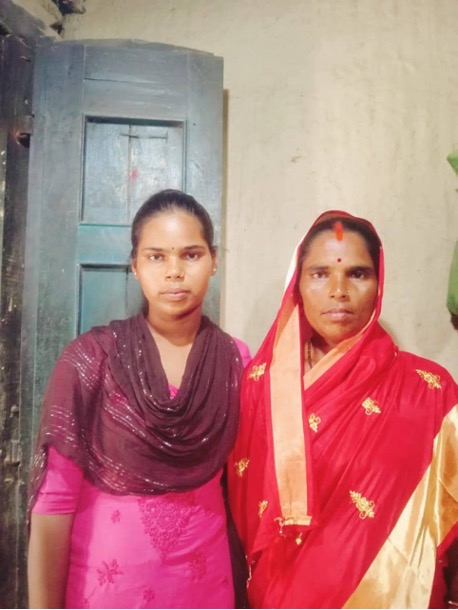
The sun rose over Bauhari, a small village in Brindaban Municipality, marking another day in the life of Gitanjali Pandit, an 18-year-old girl from a modest family. The daughter of Surendra Pandit, a small business owner, and Chunu Pandit, a homemaker, Gitanjali’s life has been a tapestry of resilience and determination.
Gitanjali, a resident of Brindaban Municipality Ward No. 8, has always been a beacon of hope for her family. Living in a household of six, with two brothers and one sister, she had completed her 10th grade and was preparing for further studies. Despite their financial constraints, the Pandit family prioritized education and personal development.
Gitanjali’s journey took a transformative turn when she became a member of the Radhe Radhe Kishori Samuh, part of the Social Analysis and Action (SAA) sessions funded by CARE Nepal under the USAID Adolescent Reproductive Health Project. These sessions, held at the Dharampur Healthpost, were designed to educate and empower adolescents on various aspects of reproductive health.
Reflecting on her experience, Gitanjali shared:
I joined the SAA sessions from the beginning and learned many things, particularly about reproductive health. Each session involved discussions on various topics, and I have been applying what I learned to my own behaviors.
One session that stood out for Gitanjali was the 8th SAA session on making sanitary pads. Conducted by Kanti Sah, a dedicated trainer, the session demonstrated the process of making sanitary pads from cloth. This simple yet profound skill opened new doors for Gitanjali and her peers.
Among all the sessions, the one on making sanitary pads was particularly impactful. Following Kanti Sah’s instructions, my group members and I learned to make sanitary pads from clothes. Now, I regularly make and use these pads in my daily life and have introduced them to my family.
GITANJALI
This knowledge proved invaluable for Gitanjali and the women in her community. By utilizing local resources to create sanitary pads, they could save money and maintain better hygiene. Gitanjali didn’t stop there; she shared this skill with her friends and neighbors, spreading the benefits of this practical knowledge throughout Bauhari.
The challenge Gitanjali faced initially was a lack of awareness about sanitary pads and how to make them. However, the training provided by the project turned this challenge into an opportunity.
Gitanjali expressed her gratitude, saying:
Thank you so much, USAID, for providing such valuable training. Please continue offering similar training as they are incredibly educational and beneficial for us.
The transformation of the Dharampur Health post into an adolescent-friendly facility has not only empowered individuals like Gitanjali but has also fostered a sense of community and self-reliance. Through the USAID Adolescent Reproductive Health Project, young girls in Brindaban Municipality are now equipped with the knowledge and skills to improve their health and well-being, ensuring a brighter future for themselves and their community.